
A cancer diagnosis can feel overwhelming, but you don’t have to face it alone. At Women’s Excellence in Obstetrics and Gynecology, we understand that gynecologic cancer affects not just your physical health, but your emotional well-being, your family, and your future. That’s why we’re proud to offer comprehensive gynecologic oncology services right here in your community, eliminating the need to travel into the city for expert care.
Dr. Douglas Pugmire leads the Cancer Center for Women through Women’s Excellence, bringing innovative treatment protocols and minimally invasive surgical expertise to patients throughout Michigan. As one of the nation’s top robotic surgeons specializing in gynecologic cancers, Dr. Pugmire and his team are committed to supporting you throughout your entire cancer journey with care that feels both cutting-edge and deeply human.
What Is Gynecologic Oncology?

Gynecologic oncology is a specialized field of medicine focused on the diagnosis and treatment of cancers affecting the female reproductive system. This includes cancers of the ovaries, uterus, cervix, vagina, and vulva, as well as precancerous conditions that require careful monitoring and intervention.
A gynecologic oncologist is a physician who has completed extensive training beyond standard obstetrics and gynecology to become an expert in managing these complex conditions. This specialized expertise ensures you receive the most accurate diagnosis and effective treatment plan tailored to your unique situation.
Understanding Gynecologic Cancers
Cancer is a disease in which cells in the body grow out of control. Cancer is always named for the part of the body where it starts, even if it later spreads to other parts of the body. When gynecologic cancer is found early, treatment is most effective, which is why we emphasize regular screening and paying attention to your body’s warning signs.
Cervical Cancer
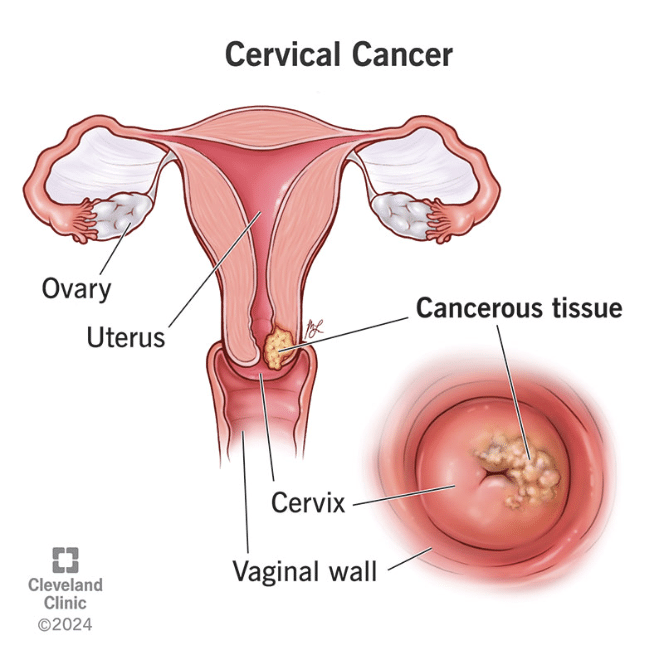
When cancer starts in the cervix—the lower, narrow end of the uterus that connects the vagina to the upper part of the uterus—it is called cervical cancer. Cervical cancer is highly preventable in most Western countries because screening tests and a vaccine to prevent HPV infections are available. When cervical cancer is found early, it is highly treatable and associated with long survival and good quality of life.
All women are at risk for cervical cancer, though it occurs most often in women over age 30. Each year, approximately 12,000 women in the United States get cervical cancer. The human papillomavirus (HPV) is the main cause of cervical cancer. HPV is a common virus that is passed from one person to another during sex. At least half of sexually active people will have HPV at some point in their lives, but few women will get cervical cancer.
Ovarian Cancer
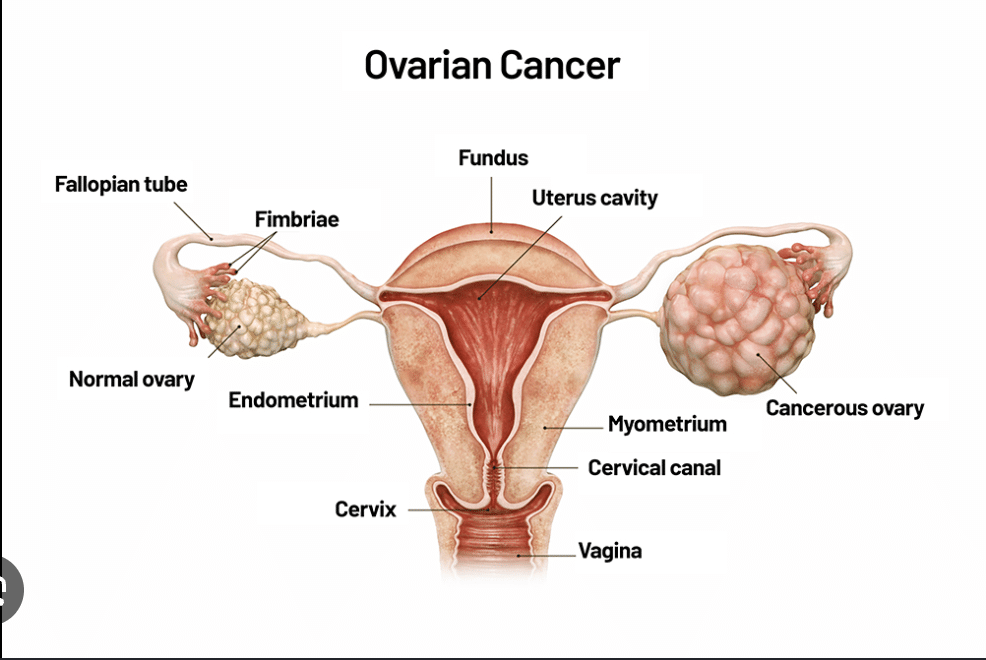
When cancer starts in the ovaries—the two organs located in the pelvis that make female hormones and produce eggs—it is called ovarian cancer. Ovarian cancer causes more deaths than any other cancer of the female reproductive system, but when it is found in its early stages, treatment is most effective. Ovarian cancer often causes signs and symptoms, so it is important to pay attention to your body and know what is normal for you.
All women are at risk for ovarian cancer, but older women are more likely to get the disease than younger women. About 90% of women who get ovarian cancer are older than 40 years of age, with the greatest number of cases occurring in women aged 60 years or older. Each year, approximately 20,000 women in the United States get ovarian cancer. Among women in the United States, ovarian cancer is the eighth most common cancer and the fifth leading cause of cancer death.
Uterine Cancer
When cancer starts in the uterus—the pear-shaped organ in a woman’s pelvis where a baby grows during pregnancy—it is called uterine cancer. The most common type of uterine cancer is also called endometrial cancer because it forms in the lining of your uterus, called the endometrium. When uterine cancer is found early, treatment is most effective.
All women are at risk for uterine cancer, but the risk increases with age. Most uterine cancers are found in women who are going through or who have gone through menopause—the time of life when your menstrual periods stop. Uterine cancer is the fourth most common cancer in women in the United States and the most commonly diagnosed gynecologic cancer.
Vaginal and Vulvar Cancers
When cancer starts in the vagina—the hollow, tube-like channel between the bottom of the uterus and the outside of the body—it is called vaginal cancer. When cancer starts in the vulva—the outer part of the female genital organs that has two folds of skin called the labia—it is called vulvar cancer. Vulvar cancer most often occurs on the inner edges of the labia. When vaginal and vulvar cancers are found early, treatment is most effective.
Vaginal and vulvar cancers are very rare. While all women are at risk for these cancers, very few will get them. Together, they account for 6%–7% of all gynecologic cancers diagnosed in the United States.
Advanced Minimally Invasive Robotic Surgery
Dr. Pugmire specializes in minimally invasive robotic surgery utilizing the da Vinci surgical system, a state-of-the-art surgical platform with 3D, high-definition vision and miniaturized, wristed surgical instruments. This advanced technology overcomes the limitations of traditional open surgery and conventional laparoscopy, providing enhanced vision, precision, dexterity, and control during complex procedures.
Our expertise in robotic surgery extends beyond patient care—we are specialists in teaching other physicians this innovative, state-of-the-art treatment approach. This leadership position reflects our deep commitment to advancing gynecologic cancer treatment throughout the medical community.
The potential benefits of robotic surgery over traditional open surgery include:
- Significantly less pain and discomfort
- Less blood loss and minimal need for blood transfusions
- Fewer complications
- Low risk of wound infection and less scarring
- Shorter hospital stay
- Quicker recovery and faster return to normal activities
For patients with gynecologic cancer, robotic-assisted surgery enables us to perform complex procedures with remarkable precision. Whether treating cervical cancer, ovarian cancer, endometrial cancer, or other gynecologic malignancies, the enhanced three-dimensional visualization allows us to see critical anatomy with immense depth and clarity. This precision is particularly important when treating conditions involving scar tissue from previous surgeries or complex disease presentations.
We prioritize fertility preservation whenever possible, working to administer the most effective treatment approach while honoring your goals and plans. While we cannot make guarantees, preserving your fertility and treating your cancer are both central to our treatment philosophy.
Recognizing the Symptoms
There’s no way to know for certain if you have a gynecologic cancer without proper testing, but paying attention to your body and understanding what’s normal for you is crucial. Warning signs and symptoms that warrant evaluation include:
- Abnormal vaginal bleeding or discharge
- Pelvic pain or pressure
- Sudden bloating
- Difficulty eating or feeling full too quickly
- Persistent itching
- Rashes, sores, or tenderness of the vulva
- Vaginal odor
- An obvious mass or growth
Prevention and Early Detection
Prioritizing your annual well-woman exam is one of the most important steps you can take to protect your long-term health. These visits provide an opportunity to discuss changes in your health, address concerns, stay current on recommended screenings, and detect potential issues before they become more serious.
During your annual exam, your provider evaluates your reproductive and overall wellness through preventive screenings, including Pap smears when appropriate, breast exams, and other age- or risk-based recommendations. Regular visits can help identify early signs of cervical cancer, gynecologic conditions, hormonal changes, infections, and other health concerns. Even if you feel healthy and have no symptoms, annual well-woman exams are essential for maintaining your health, preventing disease, and ensuring you receive the personalized care you need at every stage of life.
Why Choose Women’s Excellence in Obstetrics and Gynecology for Gynecologic Oncology Across Metro Detroit?
By offering gynecologic oncology services in-house at Women’s Excellence, we provide a streamlined, organized, and team-based approach to your treatment plan. You benefit from comprehensive care under one roof, eliminating the frustration of fragmented treatment across multiple facilities.
Our practice combines clinical excellence with genuine compassion, ensuring you receive a proper evaluation, an accurate diagnosis, and ongoing support throughout your treatment and beyond. We understand that cancer doesn’t wait, which is why we offer immediate appointments and welcome both self-referrals and physician referrals.
Begin Your Journey to Healing
You deserve expert, compassionate care from a team that sees you as a whole person, not just a diagnosis. Women’s Excellence is ready to serve you and begin your personalized treatment plan. Contact us today to schedule a consultation with our gynecologic oncology team.